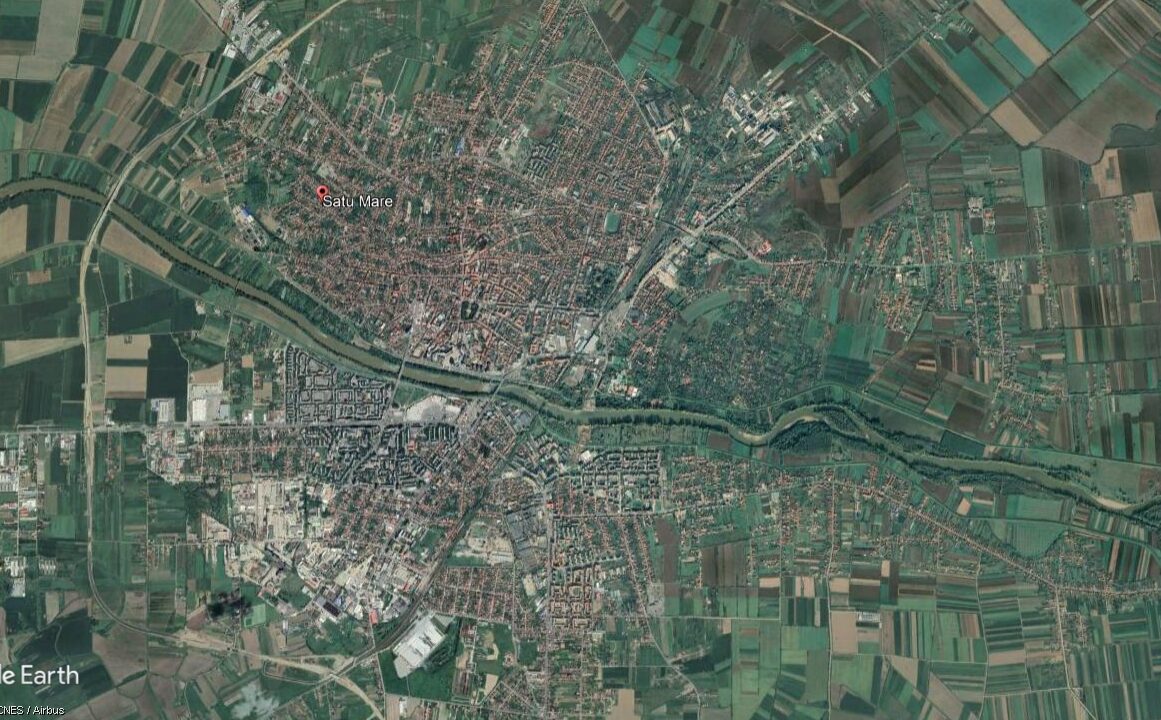
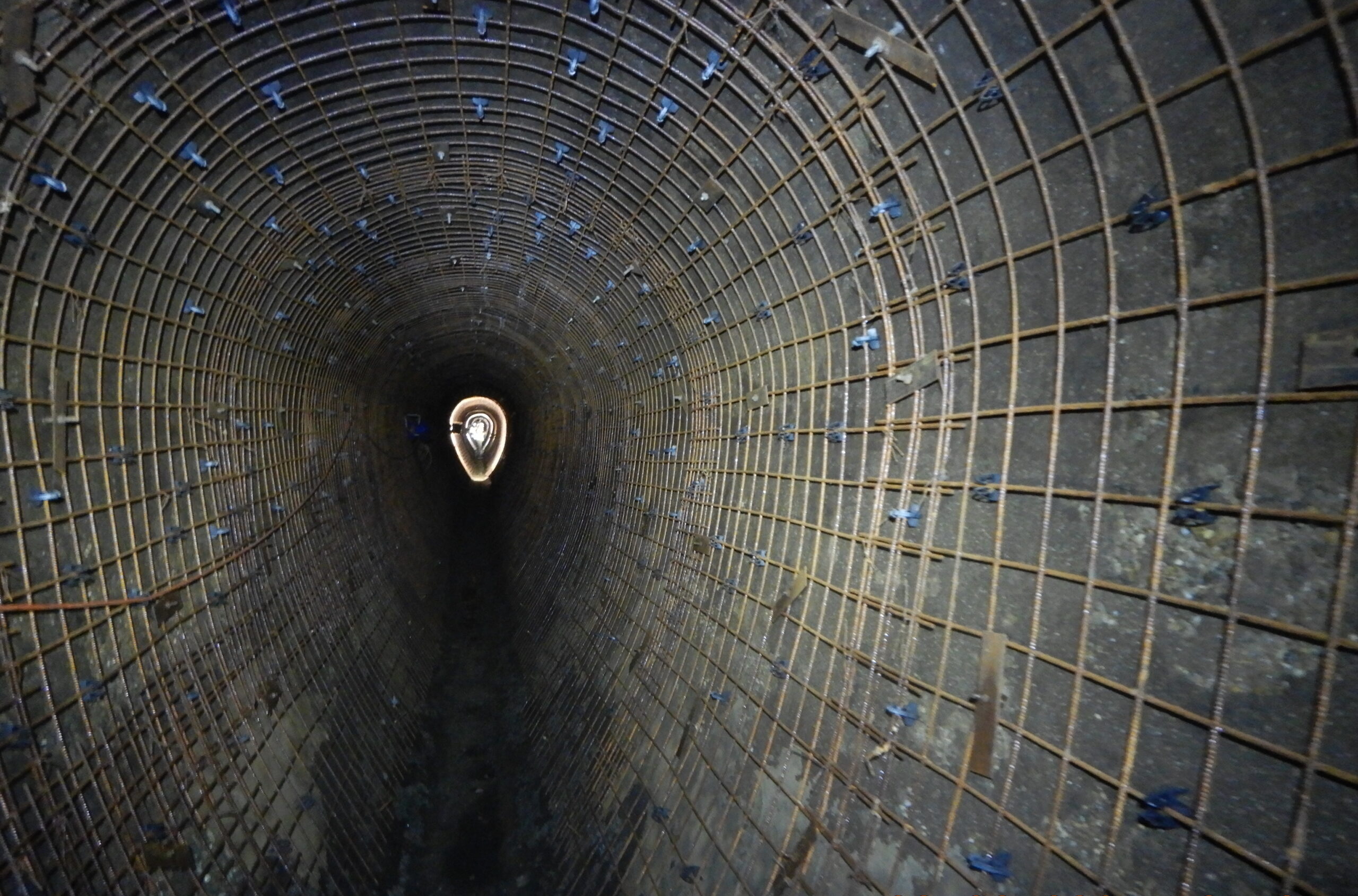
Water and Wastewater infrastructure developing regional project in Satu Mare County/North-West region in 2014-2020. Technical assistance services for works supervision within the project, identification number POIM SM-CL-02

Project description


The project targets both urban and rural development in terms of access to potable water and wastewater collection and treatment services covering several agglomerations in the Satu Mare county. Within the project, our engineers provided:

  • Verification of technical and detailed design projects (process and hydraulic design);
  • Compliance verification with tender documents;
  • Consultant due diligence;
  • Completed works quality control;
  • Verification of handover works and testing;
  • Verification of operation and maintenance (O&M) manuals.

Technical assistance for the preparation of the funding application and of the tender documentations for the regional project for the development of water and waste water infrastructure from Arges County in 2014-2020

Project description


The project targets both urban and rural development in terms of access to potable water and wastewater collection and treatment services covering several agglomerations in the Arges county. Within the project, our engineers provided:

  • Feasibility studies for five wastewater treatment plants;
  • Permitting document preparation;
  • Tender documents preparation.

CL4: Caseta and its left side main drainage system rehabilitation – Lot 1 (sector Ciurel-Unirii), Bucharest

Project description


The originator of the project is the Municipality of Bucharest, Romania which envisioned to extend the life of the Romanian capital’s main wastewater conveyance sewer system (Caseta) as well as of its left side main drainage system within the sector Ciurel-Unirii (Lot 1), for a total length of approximately 5,60 km.

In the early 1980s, Dambovita river was serving as catchment for city’s stormwater runoff but also for city’s wastewater discharge, making the use of the river’s water practically impossible downstream of the Romania capital. This unusual and health hazardous situation was addressed in 1985 by the construction of the main wastewater conveyance sewer system (Caseta) underneath of Dambovita river’s bed for a total length of about 10 km. The wastewater convenience system part of sector Ciurel-Unirii (Lot 1) consisted of two different transversal sections 2-3,30 m x 2,42 m and 2-4,00 m x 3,06 m, run entirely under the river’s reconstructed bed.

The provided design works within the project have included:

  • Structural rehabilitation of the Caseta and its left side drainage system;
  • Castea discharge sewers rehabilitation;
  • Abandoned overflow closing of the main B0 sewer’s discharge chambers;
  • Eroilor and Opereta drainage water pumping stations rehabilitation (equipment, mechanical, instrumentation, automation, security);
  • Caseta separation wall communication openings (windows) for wastewater level equalization and distribution along the two adjacent rectangular channels;
  • Caseta venting pipes upstream and downstream of Dambovita river overflow structures;
  • Elimination of all infiltrations in the Caseta and its left side drainage system;
  • Cast iron potable water main (Dn600 mm) overpass at Eroilor rectangular discharge structure;
  • Caseta permanent stoplogs installation/replacement;
  • Dambovita river access ramps;
  • Temporary works for project implementation such as working site dewatering, wastewater stream diversion, working site ventilation and lighting, site organization;
  • Geotechnical investigation;
  • Permitting;
  • Technical assistance;
  • Contractor due diligence.

CL4: Caseta and its left side main drainage system rehabilitation – Lot 2 (sector Unirii-Vitan), Bucharest

Project description


The originator of the project is the Municipality of Buchatest, Romania which envisioned to extend the life of the Romanian capital’s main wastewater conveyance sewer system (Caseta) as well as of its left side main drainage system within the sector Unirii-Vitan (Lot 2), for a total length of approximately 4,90 km.

In the early 1980s, Dambovita river was serving as catchment for city’s stormwater runoff but also for city’s wastewater discharge, making the use of the river’s water practically impossible downstream of the Romania capital. This unusual and health hazardous situation for Bucharest’s inhabitants was addressed in 1985 by the construction of the main wastewater conveyance sewer system (Caseta) underneath of Dambovita river’s bed for a total length of about 10 km. The wastewater convenience system part of sector Unirii-Vitan (Lot 2) consisted of two different transversal sections 2-4,00 m x 3,06  m and 2-4,50 m x 3,06 m, run entirely under the river’s reconstructed bed.

The provided design works within the project have included:

  • Structural rehabilitation of the Caseta and its left side drainage system;
  • Castea discharge sewers rehabilitation;
  • Abandoned overflow closing of the main B0 sewer’s discharge chambers;
  • Mihai Bravu drainage water pumping station rehabilitation (equipment, mechanical, instrumentation, automation, security);
  • Caseta separation wall communication openings (windows) for wastewater level equalization and distribution along the two adjacent rectangular channels;
  • Caseta venting pipes upstream and downstream of Dambovita river overflow structures;
  • Elimination of all infiltrations in the Caseta and its left side drainage system;
  • Direction changing hydraulic directing wall;
  • Caseta permanent stoplogs installation/replacement;
  • Dambovita river access ramps;
  • Temporary works for project implementation such as working site dewatering, wastewater stream diversion, working site ventilation and lighting, site organization;
  • Geotechnical investigation;
  • Permitting;
  • Technical assistance;
  • Contractor due diligence.

CL3.1: Emergency execution of safety and completion works for the partially rehabilitated sewer mains A0+B0 in Bucharest, Romania

Project description


The project initiated by the Municipality of Bucharest, Romania, comprised of rehabilitation of the main wastewater collectors A0 and B0.

The rehabilitation works included: shotcreting, relining and joints sealing.

The total length of the rehabilitated collectors is 2.181,0 m, of which, based on the rehabilitation type, had the following lengths:

  • Shotcreting – 1.176,0 m
  • Relining – 503,0 m
  • Joints sealing – 502,0 m

The characteristic sections of the rehabilitated collectors were:

  • Shotcrete: rectangular 300 x 300 cm, rectangular 250 x 360 cm, bell 240/200 cm, egg-shape 160/240 cm;
  • Relining (GRP piping): egg-shape 160/240 cm;
  • Joint sealing: rectangular 300 x 360 cm, circular Dn180 cm.

The provided design works within the project did include:

  • Structural rehabilitation of the existing collectors;
  • Elimination of infiltrations in collectors;
  • Temporary works for project implementation such as access pit shoring, collectors dewatering, wastewater stream diversion, working site ventilation and lighting, site organization;
  • Permitting;
  • Technical assistance;
  • Contractor due diligence.

Pitesti WWTP, Arges County, Romania

Project description


The project of the Wastewater Treatment Plant for Pitesti Municipality (Arges County, Romania) included the compilation of the feasibility study for existing wastewater treatment line troubleshooting and sludge treatment expansion up to 90% dry solids content by means of a thermal treatment process (sludge drying).

The plant was design for a dry weather maximum daily flowrate of 53.560 m3/day equivalent to 182.012 PE (population equivalent).

The plant’s treatment scheme comprised:

  • wastewater treatment: preliminary treatment (screening, grit and grease removal), primary treatment (primary clarification), rainwater retention, advanced biological treatment (nitrogen and phosphorus removal), chemical phosphorous removal, disinfection
  • sludge treatment: primary sludge gravity thickening, excess sludge mechanical thickening, anaerobic digestion, dewatering, and sludge drying

The following disciplines were covered within the project:

  • Process
  • Hydraulics
  • Mechanical
  • Structural
  • Electrical
  • Automation and SCADA
  • Roads, platforms and alleys
  • Landscaping
  • HVAC

Costesti WWTP, Arges County, Romania

Project description


The project of the Wastewater Treatment Plant for the city of Costesti (Arges County, Romania) included the feasibility study for existing wastewater treatment line expansion / refurbishment and sludge treatment development up to 22% sludge dry solids content.

The plant was design for a dry weather maximum daily flowrate of 2.443,14 m3/day, equivalent to 12.757 PE (population equivalent).

The plant’s treatment scheme comprised:

  • wastewater treatment: preliminary treatment (screening, grit and grease removal), primary treatment (primary clarification), advanced biological treatment (nitrogen and phosphorus removal), chemical phosphorous removal, disinfection
  • sludge treatment: excess sludge mechanical thickening, primary sludge aerobic digestion, dewatering and quicklime stabilization

The following disciplines were covered within the project:

  • Process
  • Hydraulics
  • Mechanical
  • Structural
  • Electrical
  • Automation and SCADA
  • Roads, platforms and alleys
  • Landscaping
  • HVAC

Topoloveni WWTP, Arges County, Romania

Project description


The project of the Wastewater Treatment Plant for the city of Topoloveni (Arges County, Romania) included the feasibility study for existing wastewater treatment line expansion / refurbishment and sludge treatment development up to 22% sludge dry solids content.

The plant was design for a dry weather maximum daily flowrate of 1.540,87 m3/day, equivalent to 9.436 PE (population equivalent).

The plant’s treatment scheme comprised:

  • wastewater treatment: preliminary treatment (screening, grit and grease removal), primary treatment (primary clarification), flow equalization, advanced biological treatment (nitrogen and phosphorus removal), chemical phosphorous removal, disinfection
  • sludge treatment: excess sludge mechanical thickening, primary sludge aerobic digestion, dewatering and quicklime stabilization

The following disciplines were covered within the project:

  • Process
  • Hydraulics
  • Mechanical
  • Structural
  • Electrical
  • Automation and SCADA
  • Roads, platforms and alleys
  • Landscaping
  • HVAC

Stolnici WWTP, Arges County, Romania

Project description


The project of the Wastewater Treatment Plant for the village of Stolnici (Arges county, Romania) included the feasibility study for existing wastewater treatment line expansion and sludge treatment development up to 18% dry solids content.

The plant was design for a dry weather maximum daily flowrate of 416,34 m3/day, equivalent to 2.714 PE (population equivalent).

The plant’s treatment scheme comprised:

  • wastewater treatment: preliminary treatment (screening, grit and grease removal), flow equalization, advanced biological treatment (nitrogen and phosphorus removal), chemical phosphorous removal
  • sludge treatment: excess sludge mechanical dewatering

The following disciplines were covered within the project:

  • Process
  • Hydraulics
  • Mechanical
  • Structural
  • Electrical
  • Automation and SCADA
  • Roads, platforms and alleys
  • Landscaping
  • HVAC

Cerbu-Albota WWTP, Arges County, Romania

Project description


The project of the Wastewater Treatment Plant for Cerbu – Albota (Arges county, Romania) included the feasibility study for wastewater treatment line expansion and new sludge treatment up to 18% dry solids content.

The plant was design for a dry weather maximum daily flowrate of 1.202,0 m3/day, equivalent to 7.338 PE (population equivalent).

The plant’s treatment scheme comprised:

  • wastewater treatment: preliminary treatment (screening, grit and grease removal), flow equalization, advanced biological treatment (nitrogen and phosphorus removal), chemical phosphorous removal
  • sludge treatment: excess sludge mechanical dewatering

The following disciplines were covered within the project:

  • Process
  • Hydraulics
  • Mechanical
  • Structural
  • Electrical
  • Automation and SCADA
  • Roads, platforms and alleys
  • Landscaping
  • HVAC