CL3: Rehabilitation of main wastewater collectors A0+B0 in Bucharest, Romania

Project description


The project initiated by the Municipality of Bucharest, Romania, comprised of rehabilitation of the main wastewater collectors A0 and B0.

The rehabilitation works included: shotcreting, relining, joints sealing  and micro-tunneling (pipe jacking)

The total length of the rehabilitated collectors is 10.838,70 m, of which, based on the rehabilitation type, had the following lengths:

  • Shotcreting – 2.714,0 m
  • Relining – 4.968,5 m
  • Joints sealing – 2.742,0 m
  • Micro-tunneling (pipe jacking) – 414,0 m

The characteristic sections of the rehabilitated collectors were:

  • Shotcrete: rectangular 300 x 300 cm, rectangular 250 x 360 cm, bell 240 / 200 cm, bell 200 / 180 cm, egg-shape 180 / 270 cm, egg-shape 160 / 240 cm;
  • Relining (GRP piping): egg-shape 160 / 240 cm, egg-shape 140 / 210 cm, egg-shape 110 / 165 cm, egg-shape 100 / 195 cm, egg-shape 100 / 150 cm, circular DN180 cm;
  • Joint sealing: rectangular 300 x 360 cm, rectangular 250 x 360 cm, circular DN220 cm, circular DN180 cm;
  • Micro-tunneling: concrete circular DN100 cm.

The provided design works within the project did include:

  • Structural rehabilitation of the existing collectors;
  • Elimination of collector infiltrations;
  • Temporary works for project implementation such as access pit shoring, collectors dewatering, wastewater stream diversion, working site ventilation and lighting, site organization;
  • Permitting;
  • Technical assistance;
  • Contractor due diligence.

Brasov WWTP-biological treatment modeling, Brasov County, Romania

Project description


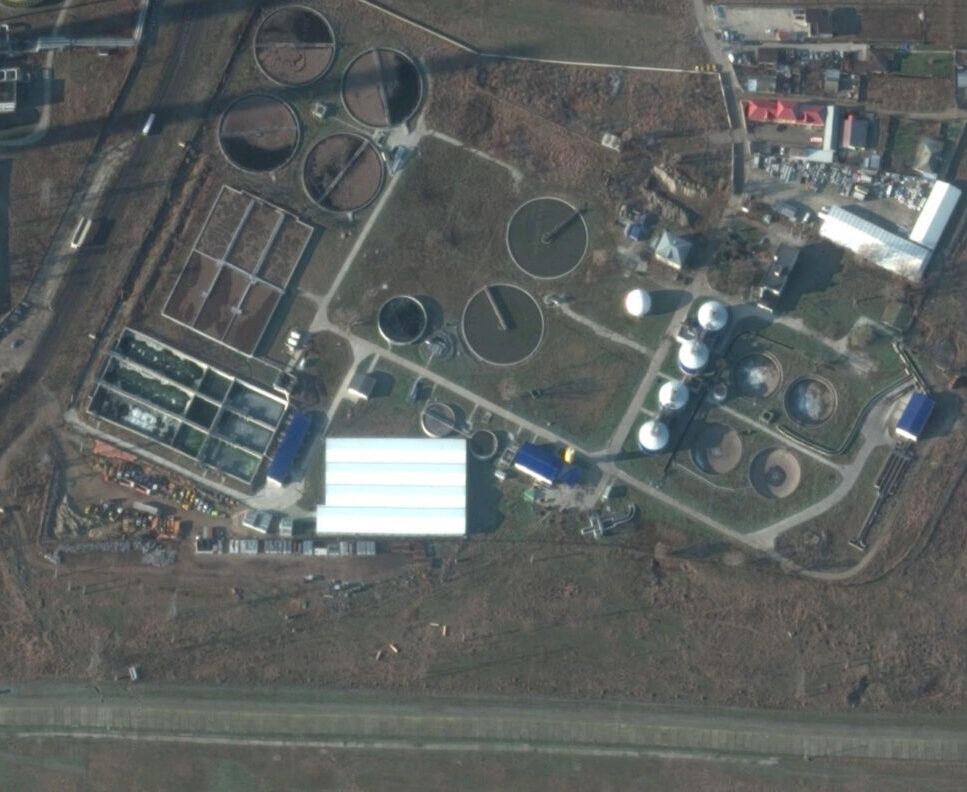
Brasov wastewater treatment plant (Brasov county, Romania), designed to treat a dry weather maximum daily flowrate of 205.805 m3/day (500.000 PE), is an existing treatment facility that encountered difficulties in achieving its treatment goals.

Due to recent wastewater quality changes, the biological treatment has started to unsuccessfully remove nutrients such as nitrogen and phosphorus.

At this point, the Operator sought professional expertise to assess the required modifications the biological treatment needs to undergo to lower the effluent’s N and P concentrations to the compliance limits (NH4-N: 1,55 mg/L; NO3-N: 5,65 mg/L, NO2-N: 0,30 mg/L; TP: 1,0 mg/L).

The modelled process was a 3-stage Modified Bardenpho (A20 – Anaerobic, Anoxic, Oxic) treatment scheme that incorporated the already well established EPBR (Enhanced Phosphorus Biological Removal) for biological phosphorus removal and pre-denitrification for biological nitrogen removal.

The proposed model is based on the ASM2d Model (Activated Sludge Model 2d) of the IWA (International Water Association) for basic biological removal of carbon, nitrogen, and phosphorus, UCTADM1 Model (UCT Anaerobic Digestion Model) for anerobic fermentation process and Musvot model for the inorganic components precipitation.

Sinaia WWTP, Prahova County, Romania

Project description


Within this contract, our team elaborated full technical proposal for Sinaia (Prahova county, Romania) wastewater treatment plant covering preliminary treatment, advanced biological treatment and sludge treatment up to 25% solids content.

The plant was designed for a dry weather maximum daily flowrate of 6.680,0 m3/day serving an equivalent population of 34.150 PE.

The plant’s treatment scheme comprised:

  • wastewater treatment: preliminary treatment (screening, grit and grease removal, septic sludge acceptance station), advanced biological treatment (simultaneous denitrification for biological nitrogen removal through, enhanced phosphorus biological removal), chemical phosphorous removal
  • sludge treatment: excess sludge gravity thickening followed by mechanical dewatering (filter presses) and dewatered sludge storage.
  • others: technological air treatment, technological air heat recovery

The following disciplines were covered within the proposal:

  • Process
  • Hydraulics
  • Mechanical
  • Structural
  • Architectural
  • Electrical
  • Instrumentation, control and automation (SCADA)
  • Roads, platforms and alleys
  • Landscaping
  • HVAC

Breaza WWTP, Prahova County, Romania

Project description


Within this contract, our team elaborated full technical proposal for Breaza (Prahova county, Romania) wastewater treatment plant covering preliminary treatment, advanced biological treatment and sludge treatment up to 25% solids content.

The plant was designed for a dry weather maximum daily flowrate of 7.963,0 m3/day serving an equivalent population of 36.000 PE.

The plant’s treatment scheme comprised:

  • wastewater treatment: preliminary treatment (screening, grit and grease removal, septic sludge acceptance station), advanced biological treatment (simultaneous denitrification for biological nitrogen removal, enhanced phosphorus biological removal), chemical phosphorous removal
  • sludge treatment: excess sludge gravity thickening followed by mechanical dewatering (filter presses) and dewatered sludge storage.
  • others: technological air treatment, technological air heat recovery

The following disciplines were covered within the proposal:

  • Process
  • Hydraulics
  • Mechanical
  • Structural
  • Architectural
  • Electrical
  • Instrumentation, control and automation (SCADA)
  • Roads, platforms and alleys
  • Landscaping
  • HVAC

Pojorata leachate treatment plant start-up, Suceava County, Romania

Project description


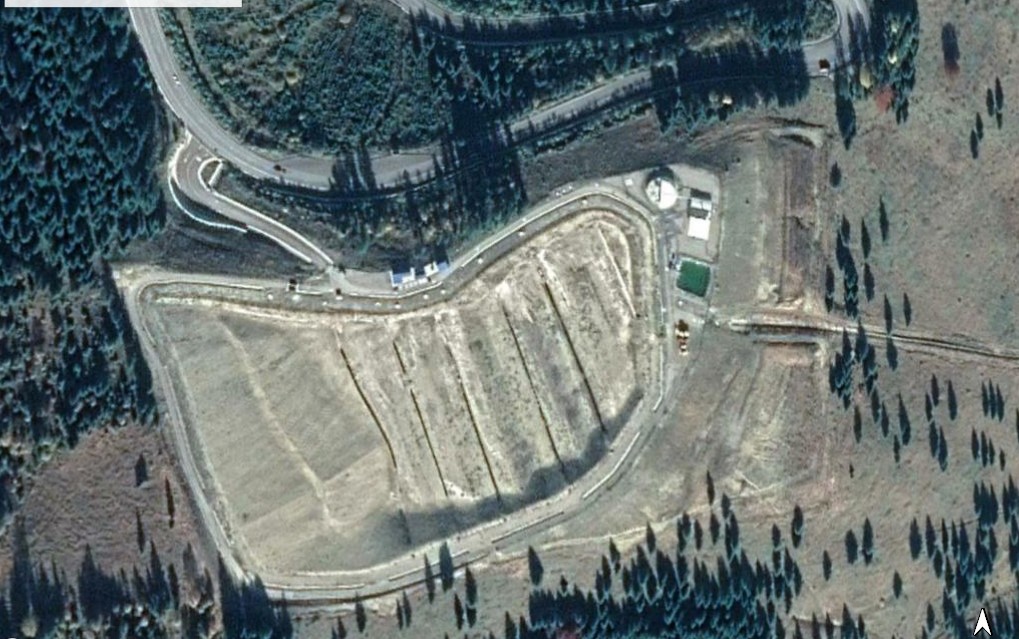
Pojorata leachate treatment plant, located in Suceava county, Romania was an existing treatment facility designed to treat the leachate generated in the Pojorata municipal waste landfill. The services employed in the contract included leachate treatment process auditing, start-up, maintenance and operation manual drafting.

The plant was designed for a maximum daily flowrate of 50,0 m3/day and included the following treatment:

  • leachate treatment line: leachate buffer storage tank, inlet pump station, grease electo-coagulation, heavy metals lime and polymer precipitation, biological treatment in sequencing batch reactors (SBRs), ammonia stripping and sodium hypochlorite disinfection.
  • sludge treatment: conditioning of excess sludge, precipitation and electro-coagulation sludge followed by mechanical dewatering with filter presses.

The process start-up initially commenced with an initial existing plant process units’ functional assessments, followed by equipment dry and wet testing with clear water. The process continued with leachate run through all the process units, including biological treatment seedings with activated sludge from an existing wastewater treatment plant. Assessment of the treatment processes performance was monitored by leachate sampling and testing at various points along the treatment train.

Bacau WWTP, Bacau County, Romania

Project description


The project of the Wastewater Treatment Plant for Bacau Municipality (Bacau county, Romania) included the design works for the extension and modernization of the biological wastewater treatment for a maximum daily flowrate of 65,237.0 m3/day (221,000.0 PE) as well as sludge treatment up to 35% dry solids content.

The plant’s treatment scheme comprised:

  • wastewater treatment: preliminary treatment (screening, grit and grease removal), primary treatment (primary clarification), rainwater retention, advanced biological treatment (nitrogen and phosphorus removal), chemical phosphorous removal
  • sludge treatment: primary sludge two-stage complete-mix/thickener fermentation, excess sludge mechanical thickening, anaerobic digestion, dewatering, quicklime stabilization

The following disciplines were covered within the project:

  • Process
  • Hydraulics
  • Mechanical
  • Structural
  • Electrical
  • Automation and SCADA
  • Roads, platforms and alleys
  • Landscaping
  • HVAC
  • Technical assistance

Technical Assistance for Project Management and Supervision of Works: “Rehabilitation and extension of Water and Wastewater Infrastructure in Galati County, POS Mediu 2007-2013”

Project description


The project funded under the Environmental Sector Operational Program, Priority Axis 1 (2007-2013), included rehabilitation/extension of the water treatment plants and distribution networks, and wastewater collection and treatment plants for 11 clusters.

Our engineers provided contractors’ treatment plants process verifications and compliance per contract requirements, including hydraulic, and mechanical projects.

We provided the beneficiary with technical assistance and supervision of the erected projects as well as during the projects’ start-up and commissioning. These activities included verification for compliance with the project specifications for technological equipment (pumps, grit and grease and grit removal chamber travelling bridges, clarifiers bridges, aeration systems, equipment for sludge thickening, dewatering, anaerobic digestion, and drying), piping and construction materials.

Other activities provided within the project included:

  • Waste management of the wastewater treatment plants
  • Protection of water resources
  • Wastewater Master Plan revision and update
  • Execution works supervision

Moara leachate treatment plant start-up, Suceava County, Romania

Project description


Moara leachate treatment plant, located in Suceava county, Romania was an existing treatment facility designed to treat the leachate generated in the Moara municipal waste landfill. The services employed in the contract included leachate treatment process auditing, start-up, maintenance and operation manual drafting.

The plant was designed for a maximum daily flowrate of 50,0 m3/day and included the following treatment lines:

  • leachate treatment line: leachate buffer storage tank, inlet pump station, grease electro-coagulation, heavy metals lime and polymer precipitation, biological treatment in sequencing batch reactors (SBRs), ammonia stripping and sodium hypochlorite disinfection.
  • sludge treatment: conditioning of excess sludge, precipitation and electro-coagulation sludge followed by mechanical dewatering with filter presses.

The process start-up initially commenced with an initial existing plant process units’ functional assessments, followed by equipment dry and wet testing with clear water. The process continued with leachate run through all the process units, including biological treatment seedings with activated sludge from an existing wastewater treatment plant. Assessment of the treatment processes performance was monitored by leachate sampling and testing at various points along the treatment train.

Bucharest WWTP-biological treatment modeling, Romania

Project description


Glina-Bucharest wastewater treatment plant site is located in the nearby of Bucharest Municipality, in the village of Glina, Romania. At the present (following Stage I plant modernization implementation, 2011), the plant operates a mechanical treatment process that includes coarse screens, fine screens, grit and grease removal chambers and primary clarifiers.

The mechanical treatment is followed by a biological treatment process which is based on AS (‘Activated Sludge’) and ARS (‘Activated Return Sludge’) bioreactors technology for biological organic matter and nitrogen removal through intermittent denitrification procedure and enhanced phosphorus Biological Removal (EPBR).

Phosphorus is biologically removed in an organic matter side-stream hydrolysis process of the return activated sludge. The phosphorus balance is then subsequently polished to compliance through chemical precipitation using Ferric Chloride (FeCl3).

The plant was designed to treat maximum 10.0 m3/s mechanically with only 4.0 m3/s treated biologically, the equivalent of 2.500.000 PE (population equivalent). The flow rate balance of 6.0 m3/s is bypassed to the receiving water with no biological treatment.

The biological treatment modeling goal was to confirm the AS /ARS treatment scheme feasibility in attaining effluent compliance for organic matter, nitrogen and phosphorus.

The modelled process included an intermittent denitrification treatment scheme for biological nitrogen removal and the already well established EPBR (Enhanced Phosphorus Biological Removal) model for phosphorus removal in conjunction with an ARS (“Activated Return Sludge) biological process.

The proposed model was based on the ASM1 Model (Activated Sludge Model 1) of the IWA (International Water Association) for basic biological carbon, nitrogen removal while the biological and chemical phosphorous removal was modelled through a conventional model.

Moinesti Sud WWTP, Bacau County, Romania

Project description


Within this contract, our team elaborated full technical proposal for Moinesti Sud city (Bacau county, Romania) wastewater treatment plant covering preliminary treatment, advanced biological treatment and sludge treatment up to 35% solids content.

The plant was designed for a dry weather maximum daily flowrate of 1.296,0 m3/day serving an equivalent population of 6.200 PE.

The plant’s treatment scheme comprised:

  • wastewater treatment: preliminary treatment (screening, screened wastewater pumping, grit and grease removal, septic sludge acceptance station), advanced biological treatment with sludge stabilization (simultaneous denitrification for biological nitrogen removal, enhanced phosphorus biological removal, membrane biological reactor), chemical phosphorous removal
  • sludge treatment: excess sludge gravity thickening, thickened sludge mechanical dewatering and sludge quicklime stabilization, and stabilized sludge storage

The following disciplines were covered within the proposal:

  • Process
  • Hydraulics
  • Mechanical
  • Structural
  • Architectural
  • Electrical
  • Instrumentation, control and automation (SCADA)
  • Roads, platforms and alleys
  • Landscaping
  • HVAC